Daniel Boone in the Moravian Town of Salem, North Carolina
In 1753, Moravian Bishop Spangenburg purchased from Lord Granville, the 100,000-acre tract known as Wachovia. This tract was located east of the Yadkin River, and the Bryan Settlement was just to the west. The first town established was Bethabara in 1753, and it was only to be used until the town of Salem could be established. The second town of Bethania was established in 1759. In 1765, the location of the town of Salem was chosen and a surveyor laid out the town, which was founded in 1766 and based on the Moravian’s religious principles. All three towns of Bethabara, Bethania, and Salem are located within today’s city limits of Winston-Salem, North Carolina.
The name “Salem” means “Peace.” Salem was established as a church-controlled town and was an important commercial center where settlers in the region could buy and trade for goods and services from the Moravians. Friederick Marshall planned the town of Salem in 1765, and he said, “This town is not designed for farmers but for those with trades.” Salem’s tradesmen were the center of Salem’s economy, and outside settlers as well as resident Moravians bartered for goods produced there as well as imported items.
Daniel and some of his Boone siblings began moving to the Upper Yadkin by late 1766 or early 1767, so some of them were no longer living close by Salem as it began development in 1766. However, when many of them returned from Kentucky to North Carolina in 1778, they moved closer to the Yadkin in what is northeast Davie County today. They would have been living just to the west of Salem until 1779.
Moravian records document many of the Boone and Bryans visited Salem, and their ministers frequently traveled through, preached and stayed with the Bryans and Boones on the Bryan Settlement. Moravian records also document Daniel Boone’s visit to Salem in 1778 to talk about his capture by and escape from the Shawnee in Kentucky. Pages 1250 and 1251 of the Records of the Moravians in North Carolina, there’s and entry on November 9, 1778, as follows:
“Nov. 9. Many people passed to and fro; numbers are moving in these days. Mr. Daniel Boon was here; he was recently seized by the English near the Salt Springs in Kentuk but escaped. Among other things he said that the Americans had captured the Post of Great Oak, and he had taken Fort Illinois making prisoners of the commanding officers; he also said that an army from Virginia had marched against the Indian Nations.”
Adleaide L. Fries footnoted this entry and added,
“18 In February Boone and 30 other men were making salt at the Lower Blue Licks when they were surprised by Indians and forced to surrender. They were taken to Detroit, except Boone who was taken to Chilicothe from which place he soon escaped.”
One error in the above footnote is that Boone was also taken to Detroit. While there, the British Lt. Governor Henry Hamilton tried to get Boone to switch sides and to fight with the British. When he refused, the Lt. Governor tried to buy Boone from Chief Blackfish, who would not sell him.
There’s another entry in the Moravian Records on page that shows a letter dated October 19, 1778, from Christian Heckewalder to Brother Graff that says in part:
“From Br. David Zeisberger’s letter and diary it appears that things are more quiet there; but they have heard that an army of French and Virginians are marching on Detroit, with the intention of taking the Fort, and it is said that the Twightwees have given them permission to cross their land in the neighborhood of the Wabash River. I doubt this as I heard nothing of it at home or on my journey; but it may be that it is planned by Daniel Boon, who with his company was taken there as a captive by the Indians last year, but made his escape.”
These entries about Boone in Salem are just after his return in 1778 to North Carolina from Kentucky after the Siege of Boonesborough. His wife, Rebecca, thought Boone might be dead after his capture by Shawnee, so she returned to North Carolina. Boone returned to find Rebecca and family living with William and Mary Boone Bryan. Daniel would spend the next year hunting in North Carolina, so he and his extended family could put together provisions to return to Kentucky in September 1779.
Was Daniel Boone in Salem as a commercial and trading center to start the process gathering supplies for their migration in the fall of 1779? The Moravian Records are silent about this. However, when the Bryans, Boones, and related families began migrating out of North Carolina in 1779, the Moravians wrote an entry in the Salem Diary of 1779 on October 3 as follows:
“Oct. 3. Six more families passed on their way to Kentok; it is unbelievable that such a crowd of people as are going thither will be able to support themselves. Several hundred went with the Bryants recently. The weather was very warm today.”
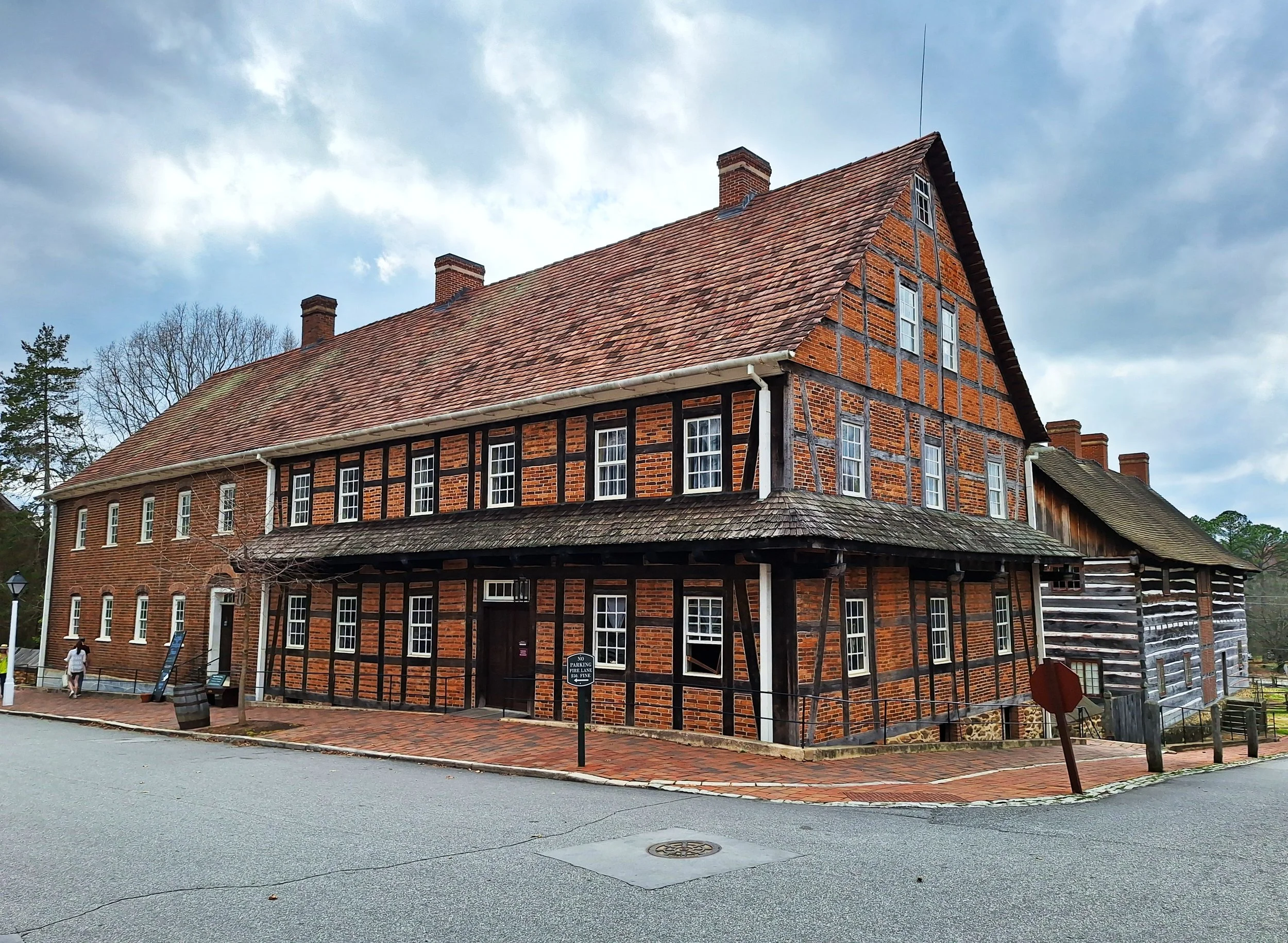
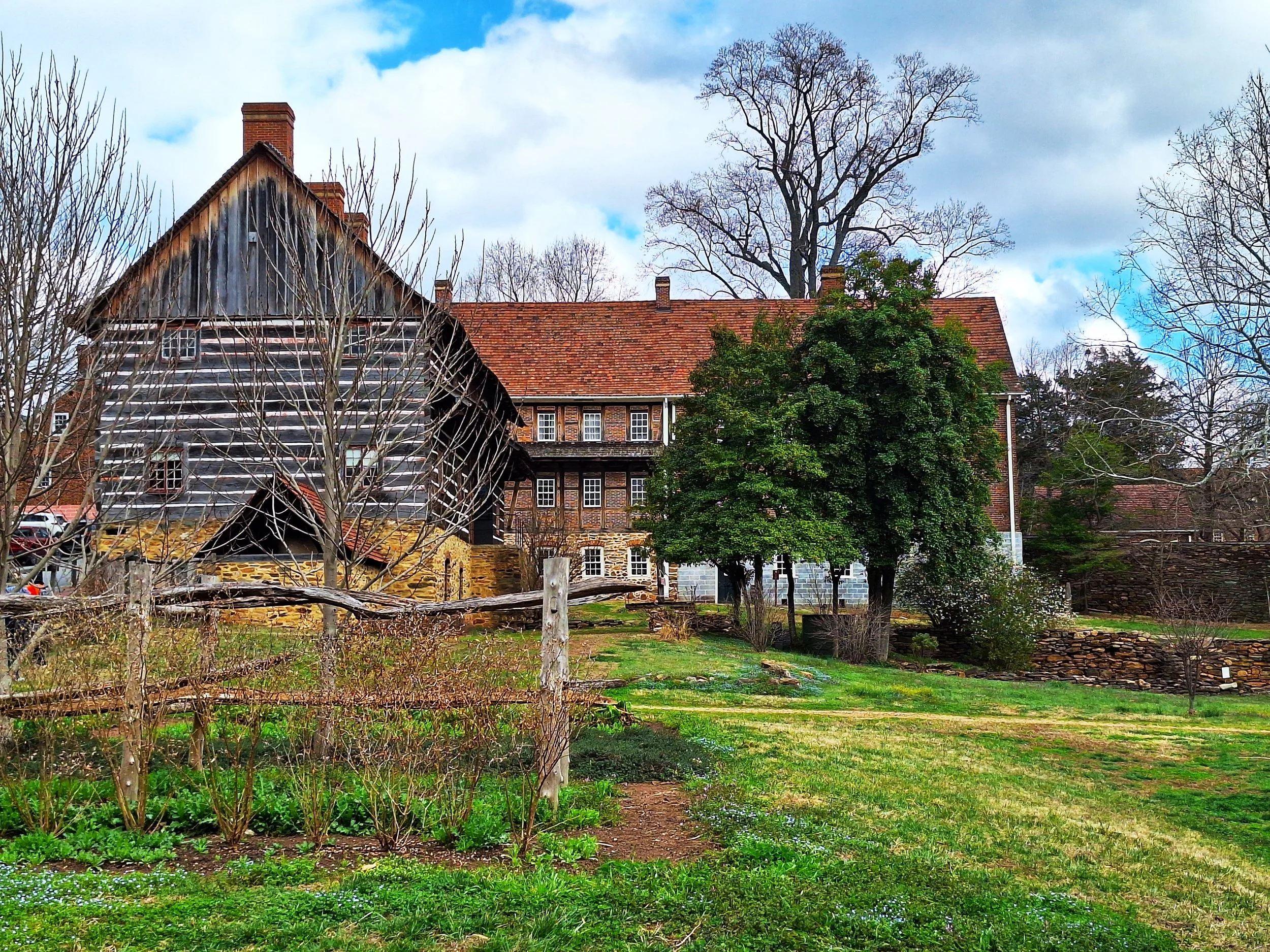
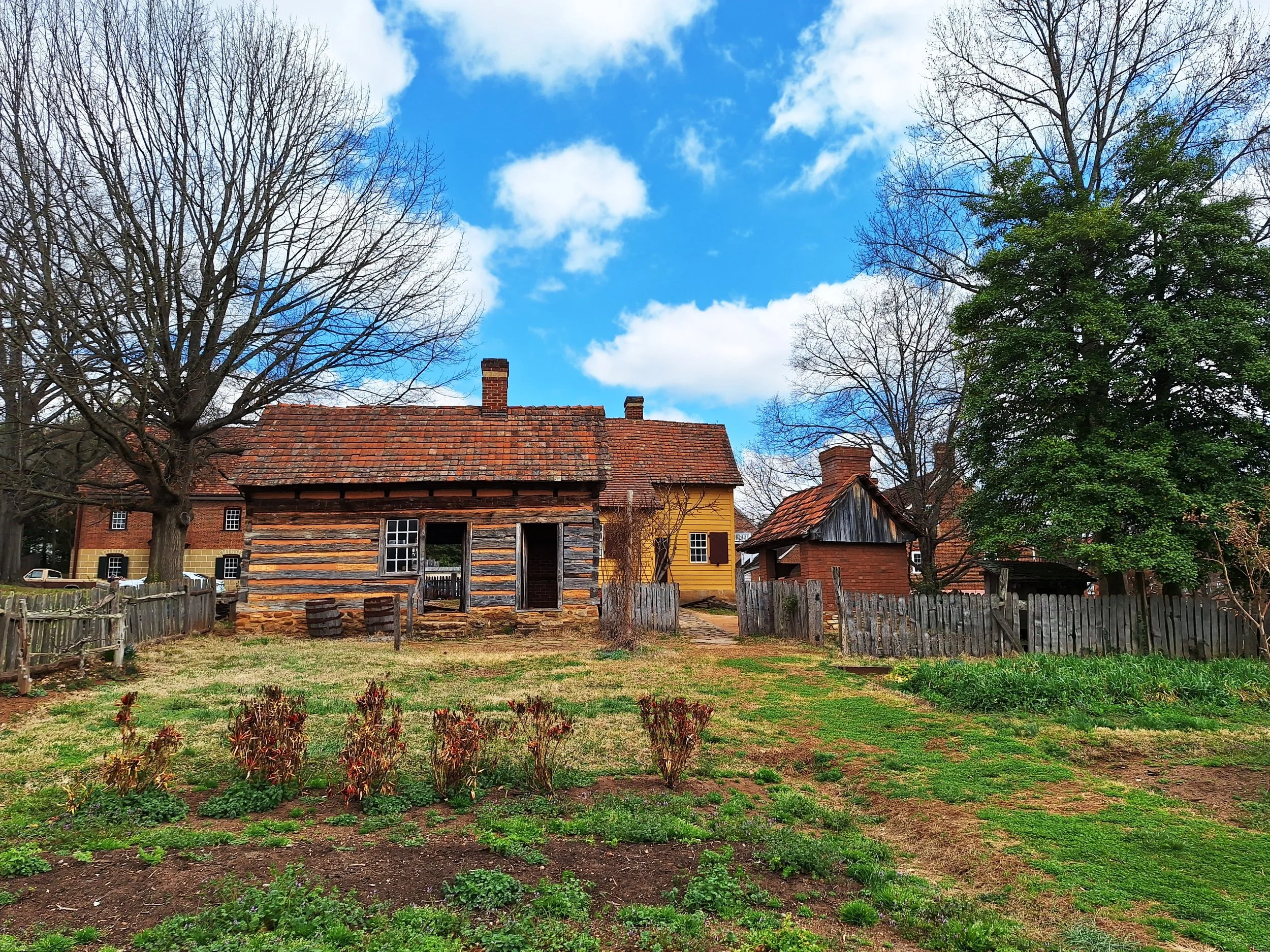
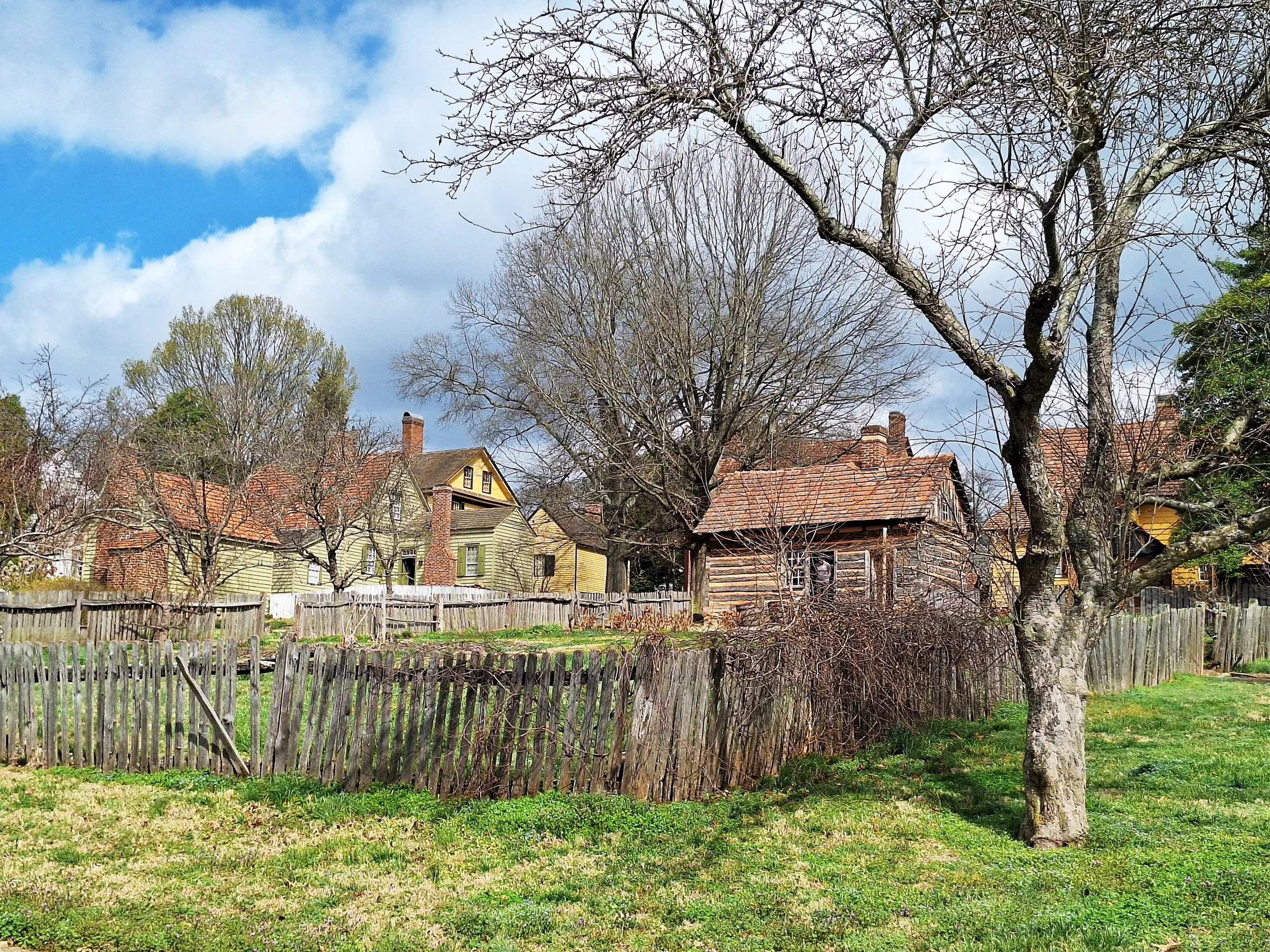
The Moravians were influenced by their culture, so, initially, they used European methods constructing half-timbered buildings with brick filled walls that were typically completed by Germans. Their roofs were made of clay tiles rather than wooden shingles, and they built interior chimneys. Later structures were influenced by American construction.
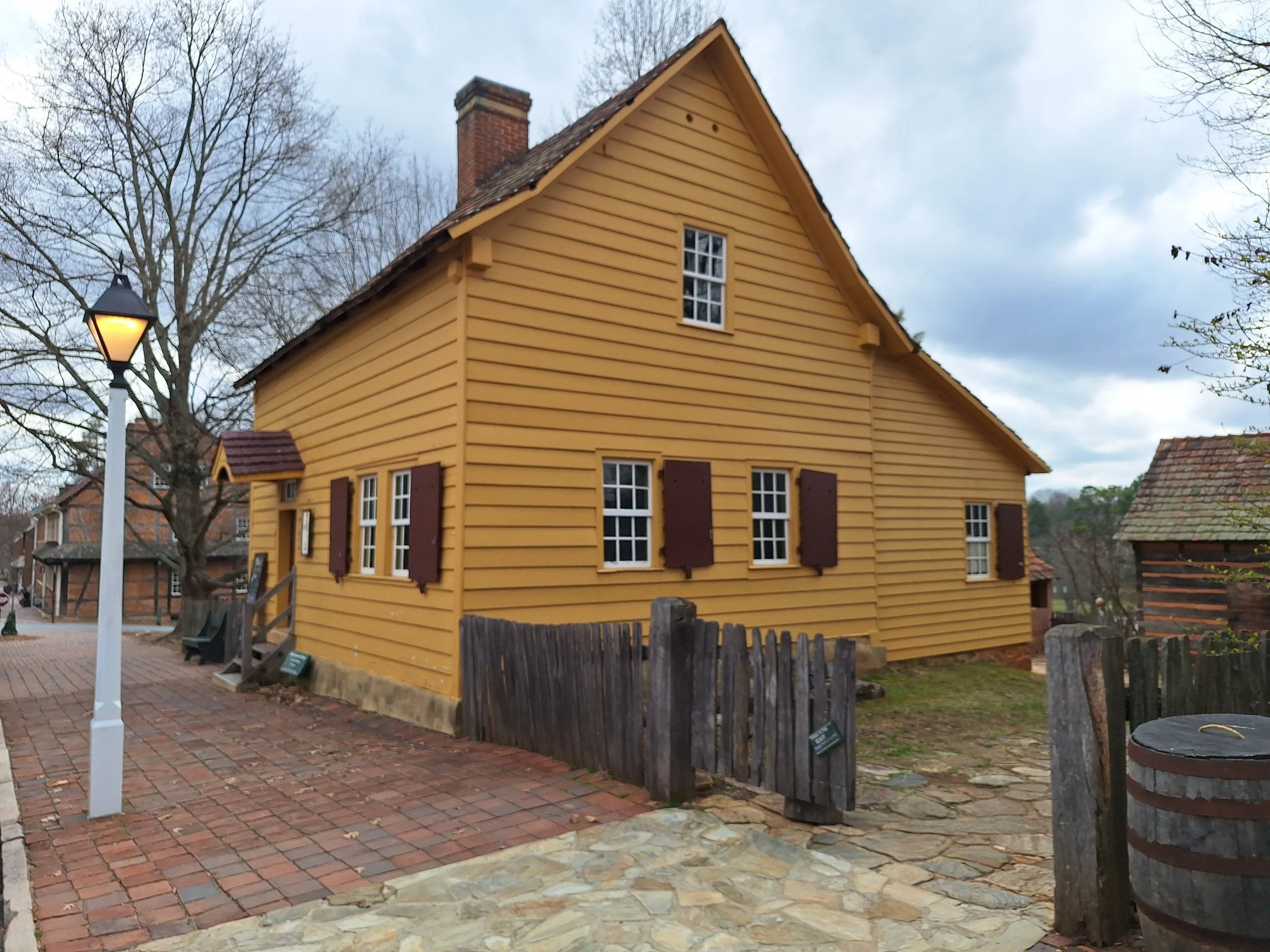
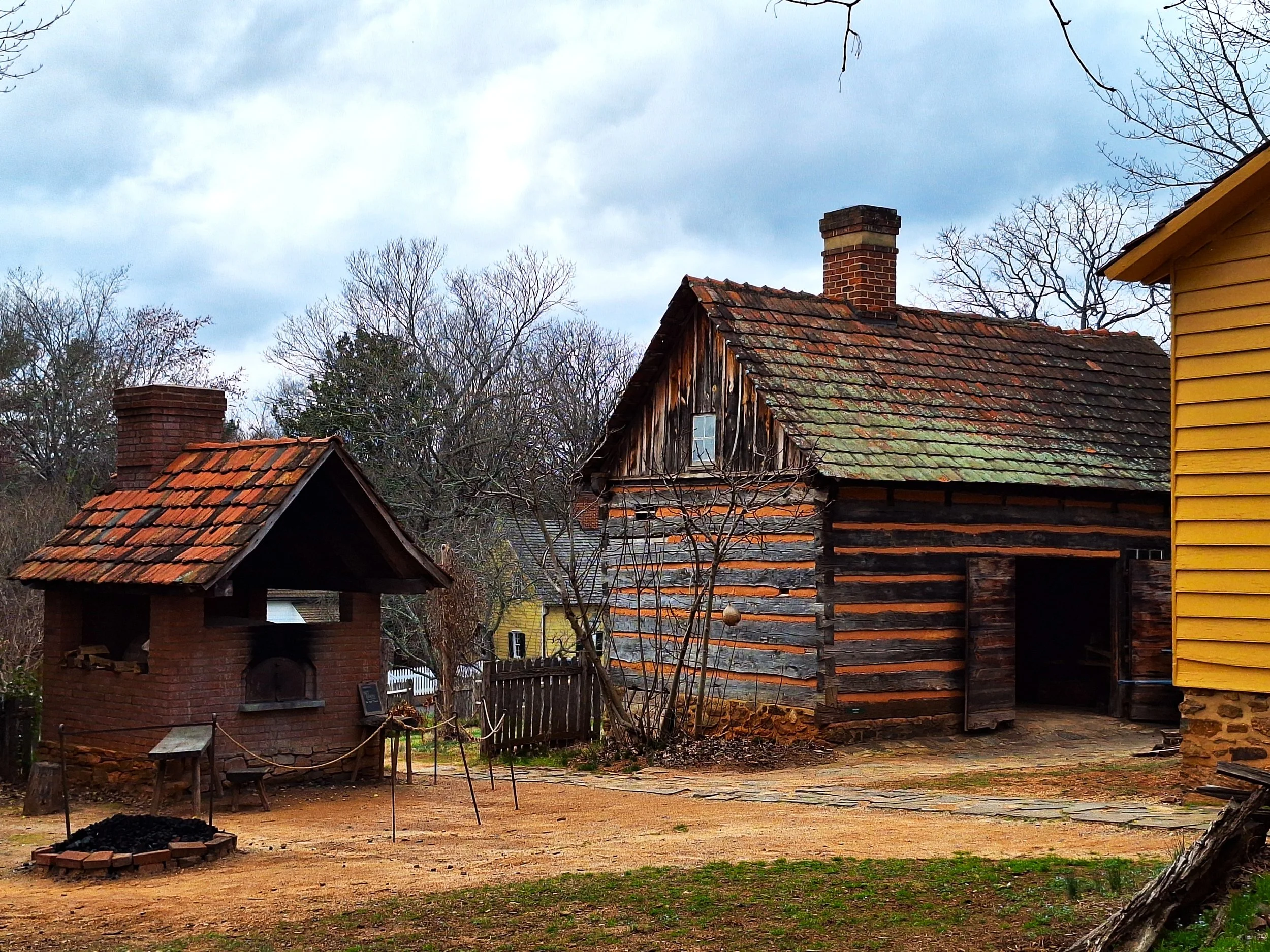
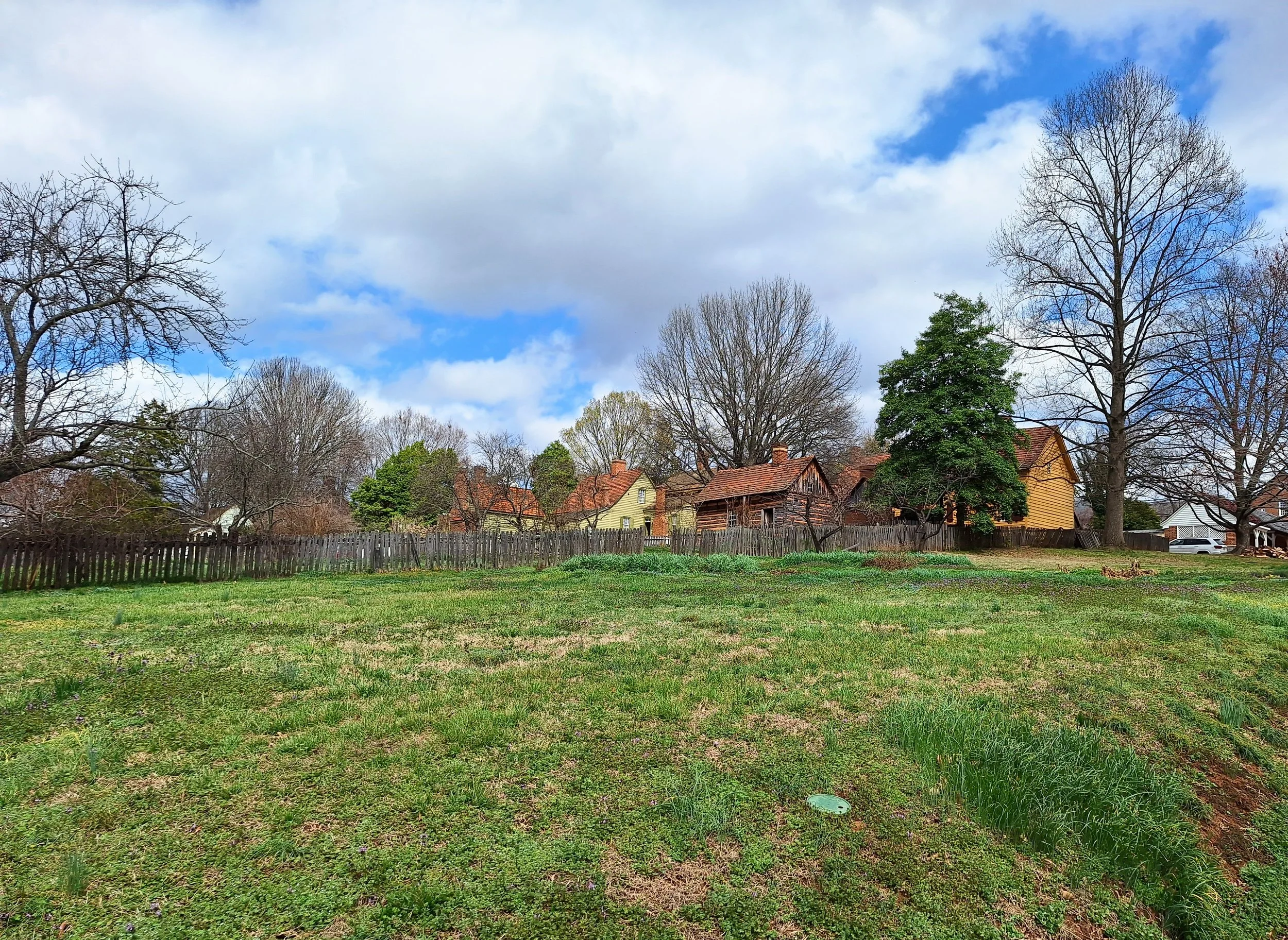
The old town of Salem is restored, and reconstructed buildings are staffed by living-history interpreters to show visitors Moravian life in the 18th and 19th century. Even though many of the structures in Old Salem date to a time just after Boone’s presence there, there are some he would have seen that are still standing, and they’re listed and described as follows:
Salem Square – 1768 It’s atthe heart of Salem which was there when the town was established in 1766 along with the streets surrounding it. The plan for this square was to be the focal point for the community, and stores, schools the church were to be built around it.
Single Brothers’ House – 1769 Located on Main Street at the intersection of Academy Street. It was built to house single men of this Moravian community, and it’s the largest half-timbered building in North Carolina. An addition was built on the south side in 1786.
Single Brothers’ Garden – 1769 It’s located behind the Single Brothers’ House and was started in 1769 and is located at the corner of Old Salem Road and Academy Street. It was used to feed as many as 60 men and boys residing there.
Fifth House – 1768 This structure was originally used for lodging for day laborers. This property was strongly associated with the Salem pottery industry, and potters stored materials here and built a kiln at this site that was used for many years.
Fourth House – 1768 This brick and half-timber structure on Main Street is the oldest surviving building in Salem. It was built by using masons from outside the Moravian Congregation.
Miksch House – 1771 The house and garden behind it are located on Main Street. It was the first privately owned house in Salem and became a tobacco shop.
Tribel Lot Garden It’s located behind the Miksch House at the corner of Academy and Salt Streets. This garden is based on the 1759 Upland Garden at Bethabara.
Community Store – 1775 This building is located on Main Street and was the first structure built completely of masonry. This store was a leading commercial center for the surrounding region.
God’s Acre Graveyard – 1766 It’s located at the north end of Salem and is the Moravian burial ground. It is divided into sections (choirs) where divided and buried in each section are Single Brothers and Sisters, Married Brothers and Sisters, and Children.
When first arriving at Old Salem, it’s best to start at the Visitor’s Center for orientation and information, shop for souvenirs, and buy tickets to tour the many shops and buildings with historic interpreters. From there, you can walk across the Heritage Bridge to go to the Frank L. Horton Museum Center to see their collection of Moravian Decorative Arts, Southern Masterworks, and Southern Ceramics. The address is 900 Old Salem Road, Winston-Salem, NC 27101, and you can learn more at oldsalem.org.
Sources:
Crabb, Anne, Warrior Pioneers: Extracts from the Boone Papers, Volumes 4C-13C of the Draper Manuscripts, Heritage Books, Inc., Berwyn Heights, Maryland, 2019.
Draper, Lyman Copeland, Draper Manuscripts, State Historical Society of Wisconsin, Madison, Wisconsin.
Fries, Adelaide Lisetta, Records of the Moravians in North Carolina, 1752-1771, Edwards & Broughton Printing Company, Raleigh, North Carolina, 1922, Volumes 1 - 3.
www.oldsalem.org