Lavina Boone - Daniel Boone’s Daughter
NOTE: This article was originally published in January 2019 in The Boone Society’s magazine known as the Compass. A few edits, additions, and changes have been made here to my previous article.
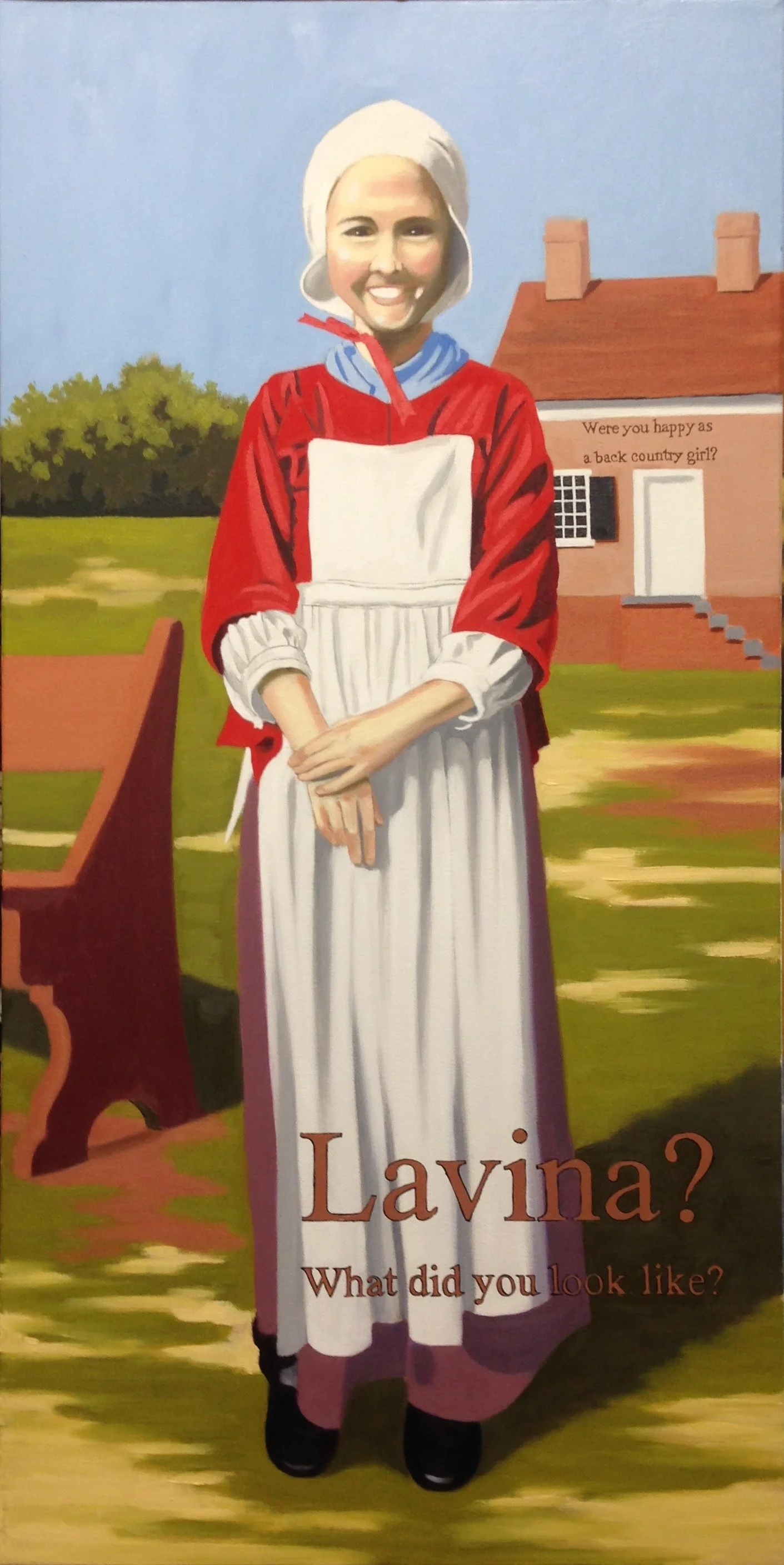
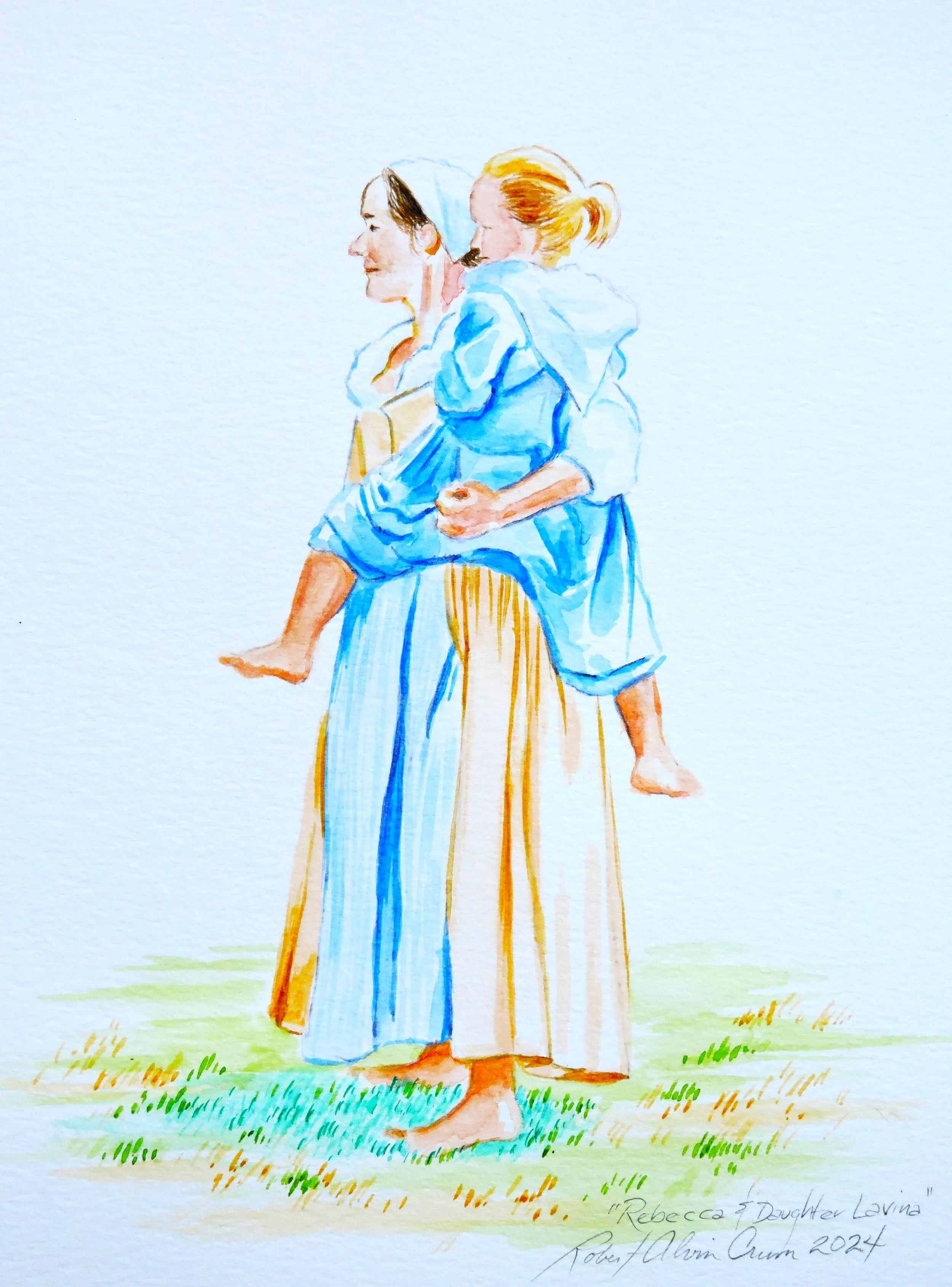
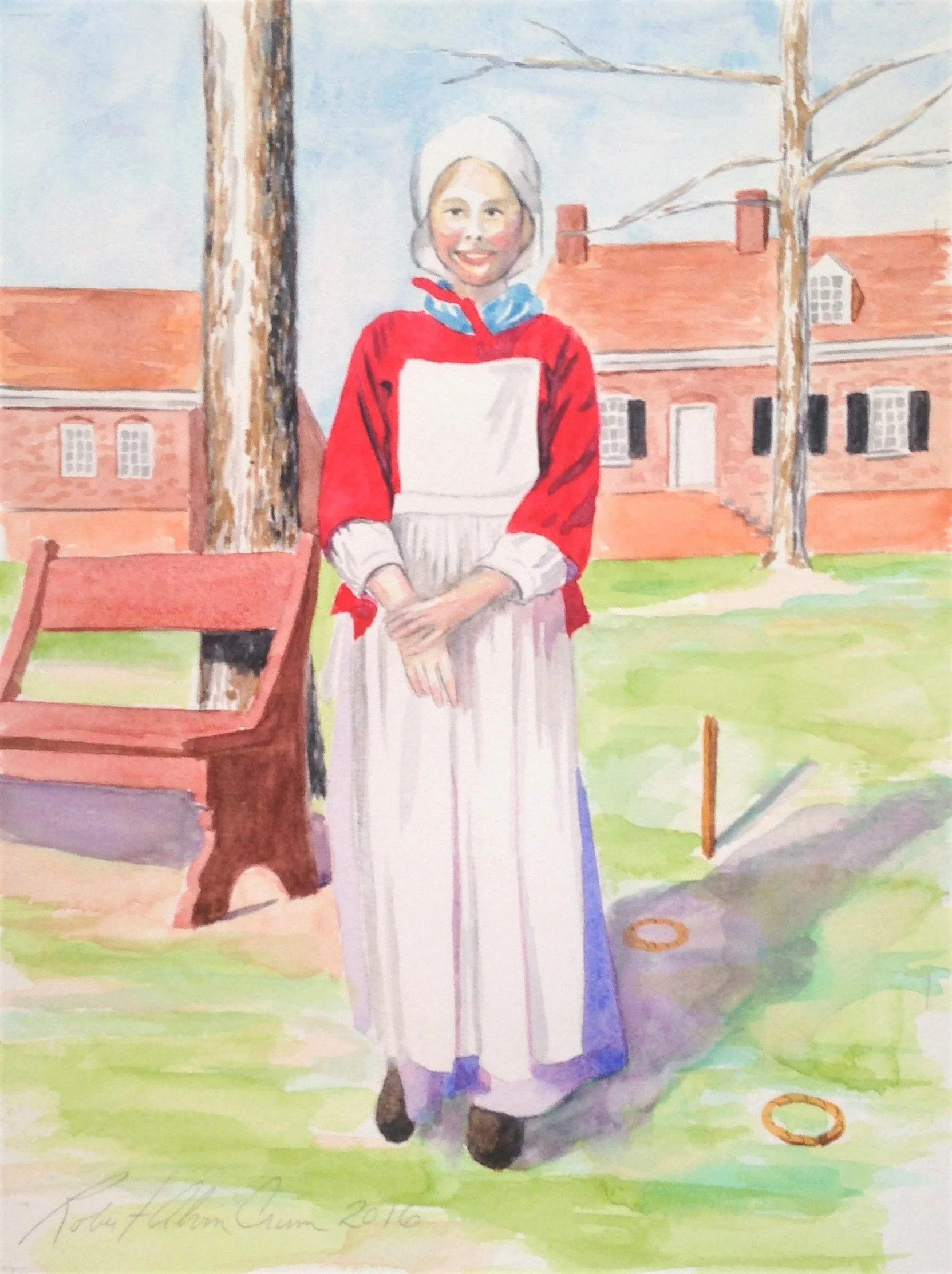
While a child growing up in Illinois, I was often told by family that I’m a direct descendant of Daniel Boone and his wife Rebecca Bryan. After moving to North Carolina in 1989 and conducting research on the Boone and Bryan families, I realized that I was walking in the same places as my ancestors. Along with the research and writing that I’ve been doing, I started and continue a series of paintings under the title “Return to the Land of My Ancestors.” This article is a description about how I was inspired to paint a small watercolor and a three foot by one-and-a-half-foot oil painting of how I imagined Lavina Boone (daughter of Rebecca and Daniel) might have appeared.
Since my Bachelor of Arts is in political science, I also studied extensively such subjects as political philosophy and history. I have continued to be a student of history and biography all my life. As I have read and listened to so many stories over the years, I’ve noticed that the stories that are told depend on who’s telling them. Robert Morgan writes in Lions of the West that:
“Historians may concentrate on the famous, but most of what happens is the composite deeds of common folk….it was the unnoticed thousands on foot and on horseback, in wagons and ox carts, who made the story a fact, who wrote history with their hands and feet, their need and greed, their sweat and often their blood.”
Much has been written about the lives of Daniel and Rebecca Bryan Boone. However, as I wander about my state of North Carolina and frequently through the Commonwealth of Kentucky, I ask questions and wonder about that little girl and young woman who died so young, Lavina Boone, who is my direct ancestor.
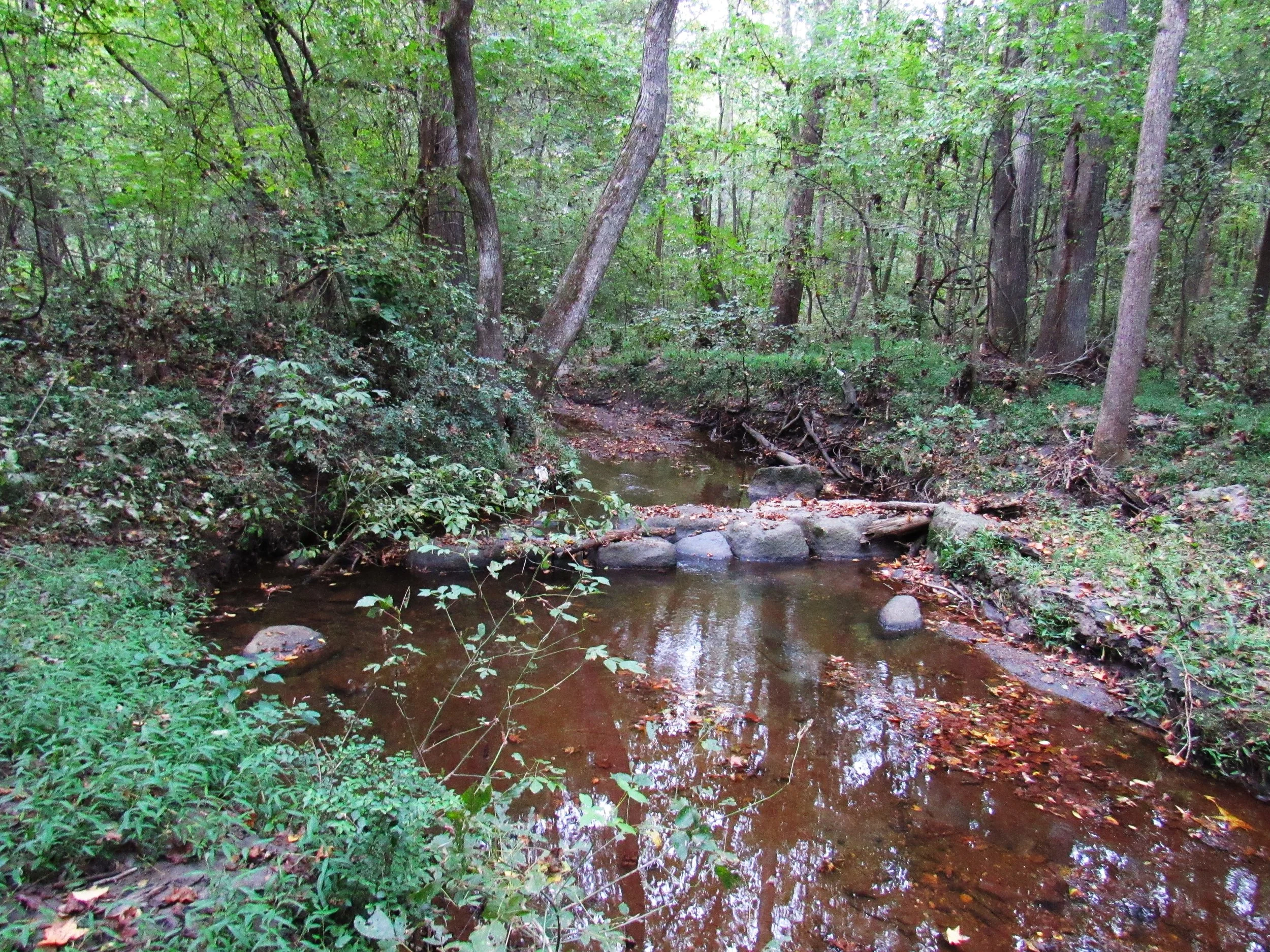
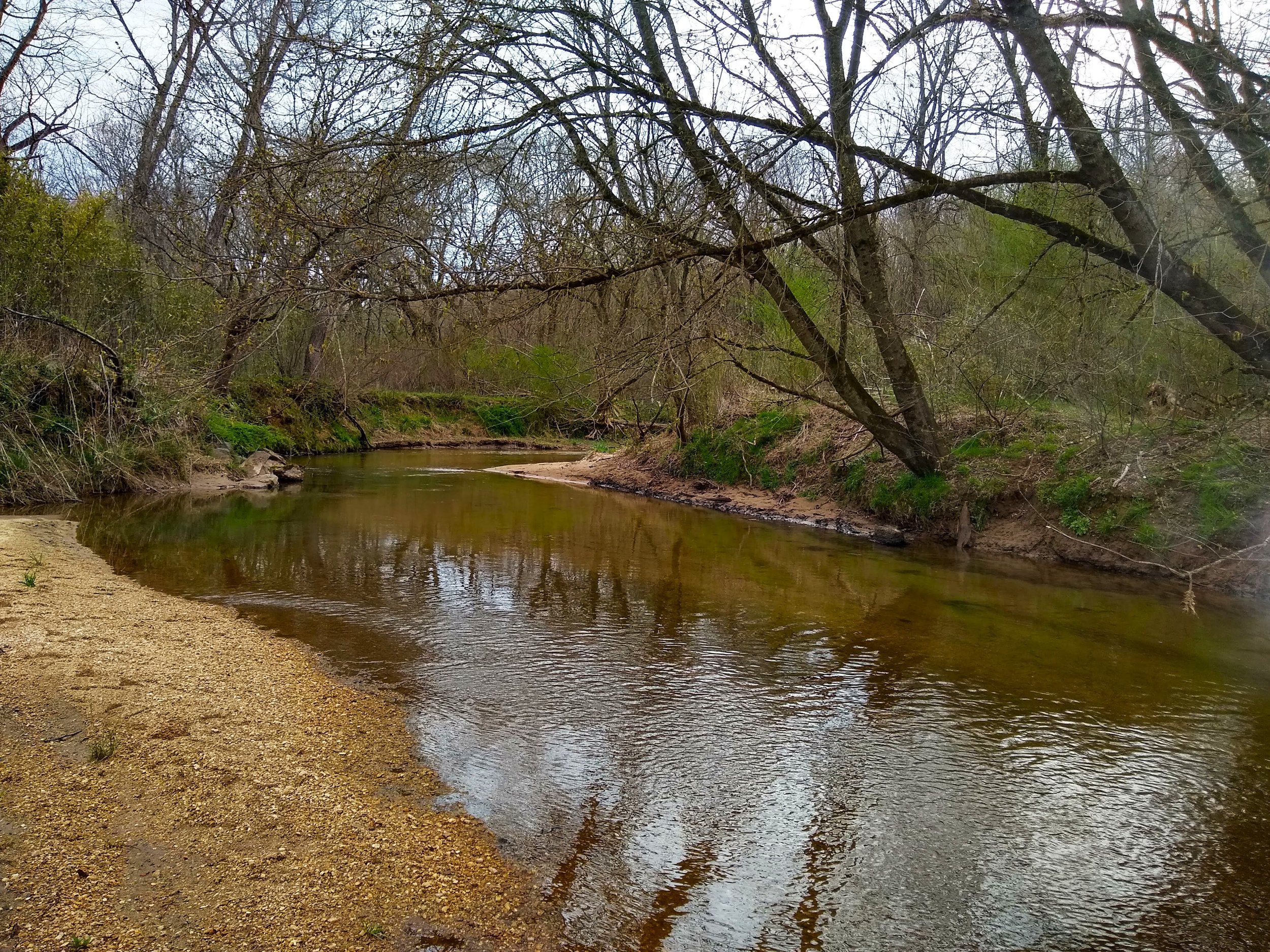
Lavina was born on March 23, 1766, at Sugartree Creek (in present day Davie County) in the Forks of the Yadkin in the British Colony of North Carolina. She was the fifth out of ten children born to Daniel and Rebecca. Her extended family was among the first colonists to live in this area and owned thousands of acres known as “The Bryan Settlement.” When I lived in Salisbury, my home was only a short distance south of this area. Even though I’ve driven through the area countless times, the place where she was born is on private land, and the cabin in which she was born is long gone. I have had the opportunity a couple times to visit the plot of land where she was born. I also frequently visit the grave of her grandparents, Squire and Sarah Morgan Boone, in Mocksville. Lavina knew her grandmother, Sarah Boone, but never knew Squire Boone, since he died the year before she was born.
As a younger man and commercial hunter, Lavina’s father was always on the move looking for better places to find game. She was still a baby when, in the fall of 1766, Rebecca agreed to move several miles up the Yadkin to Holman’s Ford near the Brushy Mountains. The Boone clan’s migration to the Upper Yadkin in 1767 is confirmed during Reverend John Shane’s interview in 1842 with Daniel Bryan when he said, “Daniel Boone settled within four miles of my father William Bryan’s, where he remained until the growth of his family (having several children in his family) and the scarcity of game, lead him to remove to the head of the Adkin,….” Boone went on another long hunt, and when he returned the next spring, the family moved to the mouth of Beaver Creek. They moved again the following year to the other side of the Yadkin River. As a baby and toddler, it seems Lavina frequently moved with her family and lived at the edge of the Blue Ridge Mountains while her father continued his long hunts and explorations into what is now Kentucky. Fortunately for her mother and siblings, these moves involved friends and other family members moving nearby, so Rebecca wasn’t left alone while Daniel was gone.
Lavina was born after the French and Indian War (1754-1763), so backcountry life was relatively quiet, but this calm was not to last. In 1771, the Regulator Movement began in North Carolina, and most of the Boone and Bryan families were not involved. In 1773, when Lavina was only seven years old, her father was involved with William Russell to lead a large migration of settlers into what is now Kentucky. Lavina would have been there, when her father and grandmother, Sarah Morgan Boone, hugged, cried and said their last goodbyes, since Sarah would die in 1777 in North Carolina without seeing them again. Lavina now had seven siblings, when the family, along with many others, left the Clinch River to begin their migration. Those of you that know this story also know that they were ambushed by Indians, and Lavina’s oldest brother James was killed along with others.
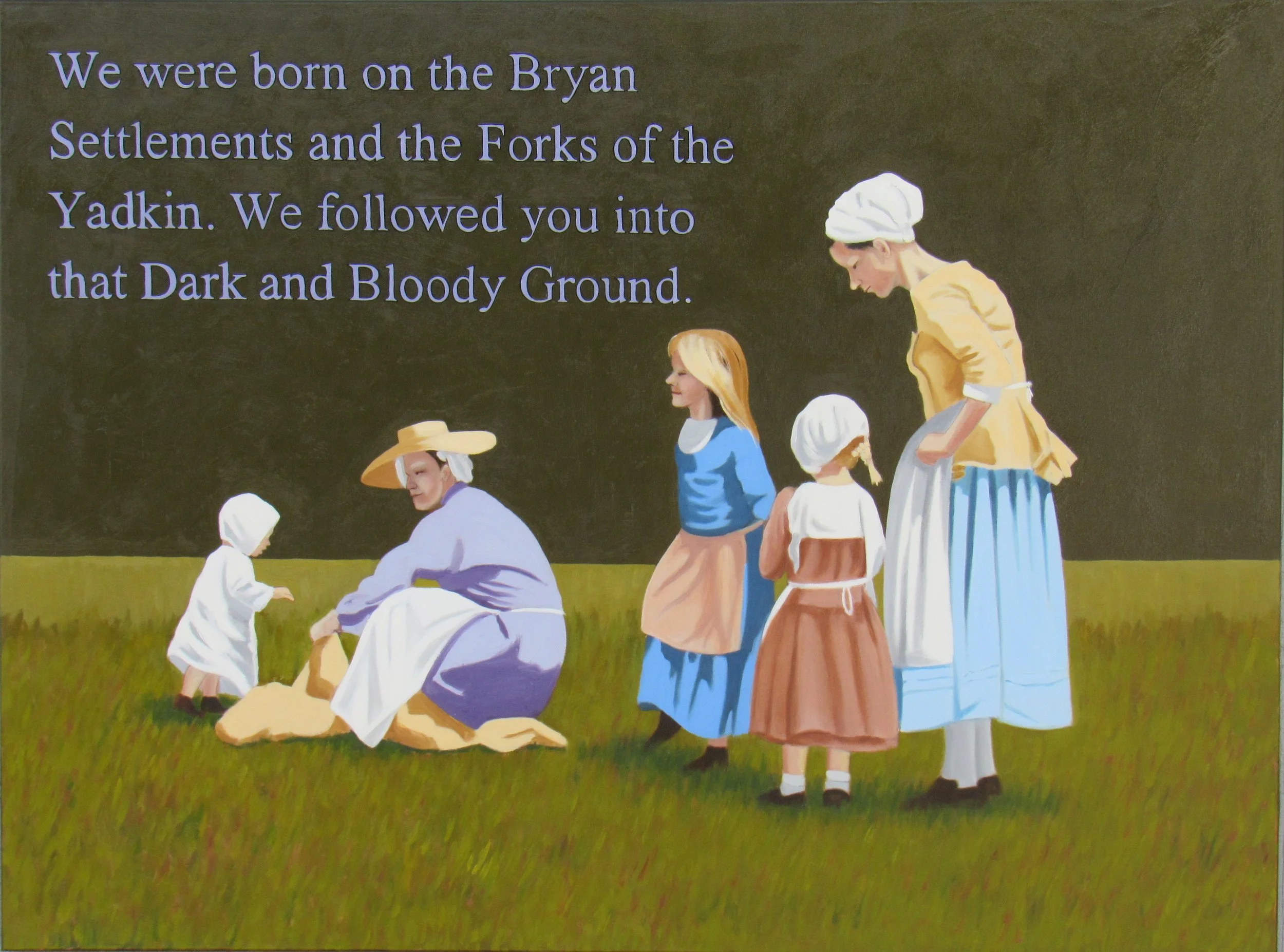
My painting with images of women and children and the text “We were born on the Bryan Settlements and the Forks of the Yadkin. We followed you into that Dark and Bloody Ground” emphasizes the predicament in which children found themselves. When families decided to migrate from North Carolina into what later became Kentucky, the children had no choice but to follow. At the age of seven, Lavina’s life became one of living in a world where warfare became common along with the deaths of family and friends.
After this failed attempt to migrate into Kentucky in 1773, most returned to their homes in North Carolina. Daniel and Rebecca had sold their North Carolina home, so Lavina and her family were held up along the Clinch River during the years 1773 through 1775. Her father was commissioned as a Captain by the Governor of Virginia in 1774, and he and Michael Stoner were ordered to search for surveyors in Kentucky to warn them about the Indian attacks during Lord Dunmore’s War. Daniel was also ordered to command three forts along the Clinch River during Dunmore’s War.
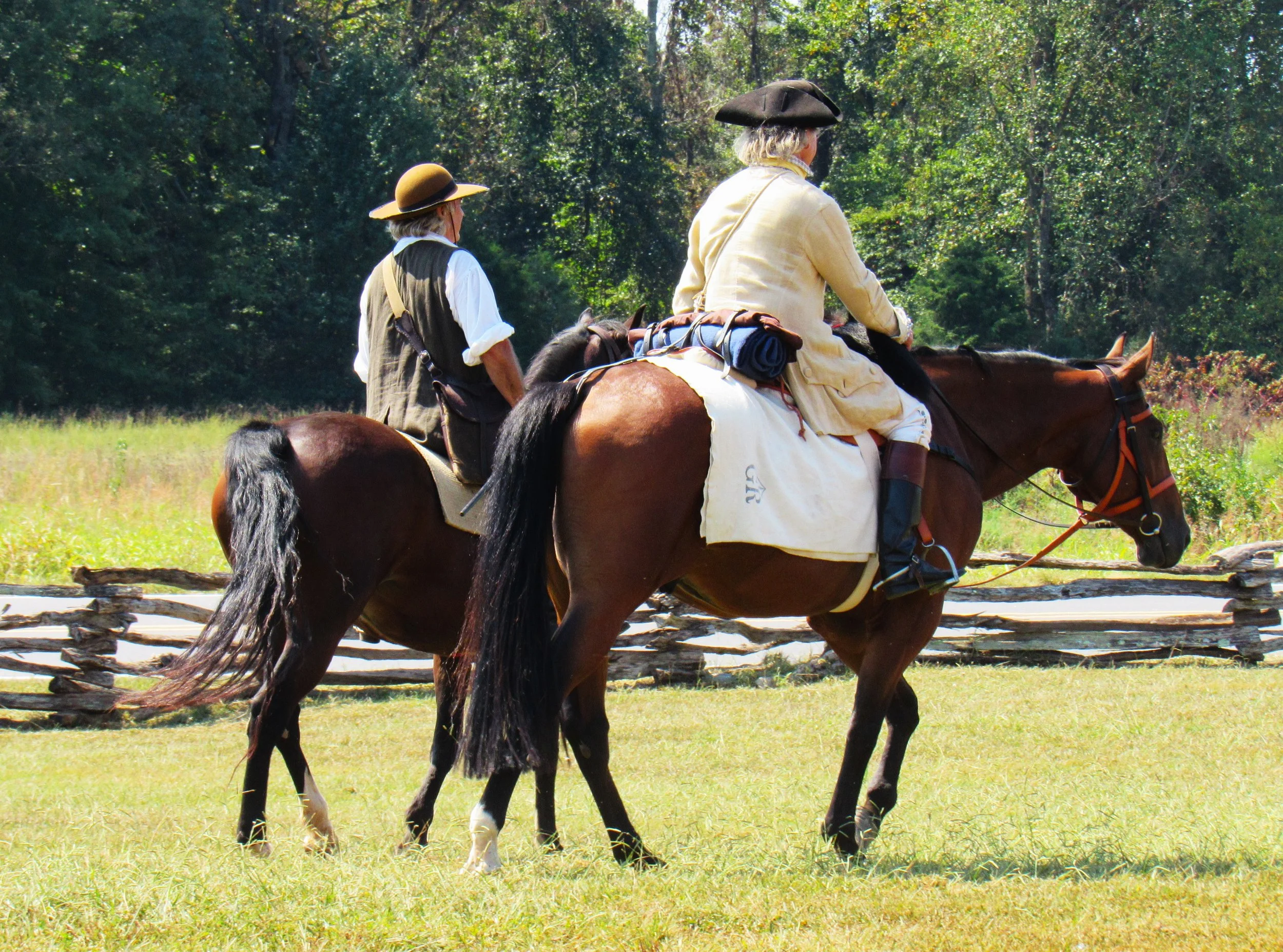
In the following year of 1775, Daniel Boone was employed by Judge Richard Henderson to lead an axe team of thirty men to clear a path from Sycamore Shoals to what became Fort Boonesborough. Lavina’s older sister, Susannah, had recently married one of the axe men, William Hays, so she accompanied them as a cook along with one of William Russell’s female slaves. After Daniel completed Boone’s Trace and helped construct cabins at Boonesborough, he returned to the Clinch Valley of Virginia to get his wife and children to move them to their new home at Boonesborough. Lavina was now nine years old, and each time she moved with her family, she would have either ridden a horse or walked, since the path or Boone’s Trace was not accessible by wagon.
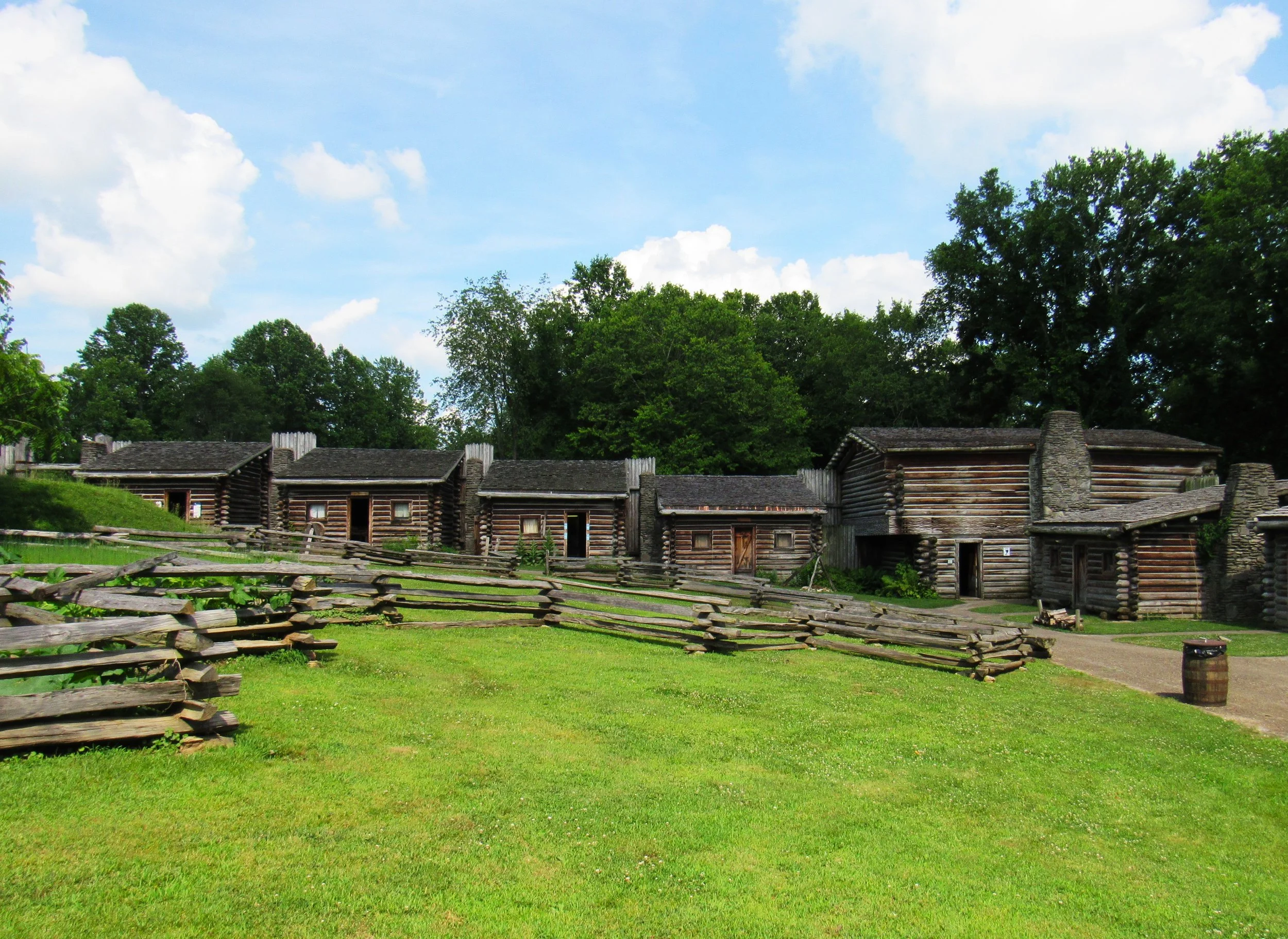
It appeared that the Boones and family and friends were settling into their new life on the frontier. However, in 1776, Lavina’s sister Jemima, along with two Callaway girls, were captured by Indians while in a canoe on the nearby Kentucky River. Fortunately, her father and a group of men were able to recover and return them home to the fort. In 1777, Lavina’s life began to get worse. The British at Fort Detroit were supplying the Native tribes, so they could attack and try to drive settlers out of the region west of the Allegheny and Appalachian Mountains. Attacks against the settlements increased in 1776 and accelerated in 1777. The first incident at Fort Boonesborough was on March 7, 1777. The fort was successfully defended by twenty-two riflemen during another attack on April 24, when Boone and others were wounded, and one man was killed. On May 23, the Shawnee again laid siege for three days at Boonesborough injuring three men before withdrawing. Captain William Bailey Smith led forty-eight militiamen from North Carolina and reached Boonesborough in September 1777 to help aid and fortify the fort. Boone’s nephew, Daniel Bryan, was among these men. One hundred fifty more soldiers arrived a few days after Smith’s men. Eleven-year-old Lavina was now living in a war zone in a primitive fort on the frontier.
Then in February 1778, Daniel and others were captured by the Shawnee at the Blue Licks while boiling salt. When he didn’t return, Rebecca assumed he was dead and returned with all her children, except Jamima, to North Carolina. Lavina was now only a girl of twelve and would again travel this long journey by horse or on foot with the thought that her father was probably killed by Shawnee. First, Lavina went to live along the Yadkin with her uncle and aunt, William and Mary Boone Bryan. Rebecca later took her children to her father Joseph Bryan’s plantation in the Bryan Settlement in North Carolina. As we know, Daniel survived, escaped from the Shawnee, fought during the Siege of Boonesborough, and then returned to the Forks of the Yadkin in North Carolina to persuade Rebecca that they and their family should return to Kentucky.
Lavina was only thirteen years old when she and her family again followed her father Daniel along with a large party that left the Yadkin River Valley in September 1779. There were over one hundred people. They were joined by more, when they reached Moccasin Gap (now Gate City, Virginia), which included the family of Abraham Lincoln who was the grandfather of our sixteenth President with the same name. Another family that joined this migration was Daniel’s cousin William Scholl and his wife, Leah. This would prove to be significant to Lavina, because she would later marry their son Joseph Scholl.
This large party traveled through the Cumberland Gap, and some were so poor that they walked barefoot all the way to Fort Boonesborough. The trail or Trace was still not wide enough for wagons, but many were able to ride horses. Boone had six loaded pack horses, and others like Captain Billy Bryan had twenty-six packhorses loaded with household goods and equipment.
This large group of settlers reached Fort Boonesborough in October 1779 and found the fort in a bad state of affairs. The Boones only stayed long enough for Daniel and others to settle land claims and then build cabins six miles northwest of the fort at a place to be called Boone’s Station. Among those settling there were William and Leah Scholl and their family along with a number of Boone and Bryan relatives. Daniel and Rebecca still had five of their children living with them here, which included Israel, Levina, Rebecca, Daniel Morgan and Jesse Bryan.
Lavina’s life at Boone’s Station wasn’t an easy one. On Christmas Day in 1779, when Boone led his family and others to Boone Station, the snow was deep and continuing to fall. That winter of 1779 to 1780 was to be the worst anyone could remember and became known as “The Hard Winter.” Lavina’s youngest brother, Nathan, was born at Boone Station on March 3, 1781.
Lavina was eighteen while living at Boone Station in 1782, and her father, brother Israel, and the man who would later become her husband, Joseph Scholl, were among those who pursued the British and Indians that had unsuccessfully attacked Bryan Station. They all caught up with the British and Indians at the Blue Licks. If you’ve read about the Battle of Blue Licks, you know that Daniel survived, and fortunately for me, Joseph Scholl survived. However, Israel Boone was killed, and the eighteen-year-old Lavina learned of the death of another of her brothers while fighting the British and Indians.
Again, not much is known about this child Lavina who became a young woman in the wilds of Kentucky. She married Joseph Scholl about 1785 at Boone’s Station and lived there until they moved with the families of his brothers Peter and Abraham Scholl to a 1400-acre tract at what became known as Schollsville in Clark County, Kentucky. It was about fifteen miles northeast of Boonesborough and ten miles east of present-day Winchester, Kentucky. This tract of land contained one of Daniel Boone’s original preemption claims laid before the land commission on December 24, 1779. As mentioned on page 125 in their Deposition Book about Clark County, Kentucky, Harry Enoch and Diane Rogers write:
“Boone selected the location on account of its rich soil, ample streams and a noted spring. The spring was located near the Schollsville-Kiddville Road (KY 1960). William Hays surveyed the two tracts in 1783; William Scholl [Lavina’s future father-in-law] was marker. Boone assigned the surveys to [William] Scholl ‘for value received’ in 1784, and the patents issued to [William] Scholl in 1785.”
There are several historical accounts about Lavina’s husband Joseph, but not much about her. Even when her son Septimus was interviewed to learn more about Lavina’s family, all he talked about was the time he spent with his grandfather Daniel Boone. Lavina Boone Scholl had eight children who were Jesse Boone, Septimus, Marcus, Selah (or Celia), Marcia, Leah, Daniel Boone, and Joseph, Jr. She died in 1802 of causes unknown to me at the young age of thirty-six. I’m a descendant of her daughter Marcia Scholl who was born in Virginia (now Kentucky) in 1791 and died in Clark County, Kentucky in 1814.
In 1810, Peter Scholl sold an acre of land to the trustees of the Church of Bethlehem which was the site of Bethlehem Meeting House. Asa C. Barrow, a Scholl descendant whose home was on the original Scholl Tract, wrote in 1921 that the Bethlehem Church Graveyard “was situated on a dividing ridge between the Kentucky and Licking Rivers, a short distance south of the church building.” Mr. Barrow believes the Boone daughters and sisters Lavina and Rebecca were probably buried at this place and “the old graveyard is on the Landrum place now owned by Mrs. L.T. Bush.”
I’ve had discussions with people who say that they know where Lavina is buried in an unmarked grave next to her sister Rebecca Boone Goe on private land in Clark County, Kentucky. I found in the Boone Howell Papers in the Davie County Public Library the copy of a letter dated July 16, 1983, sent to Howell Boone in Davie County, North Carolina from Louise W. Hampton from the “Scholl Family Research Association of America” with an address in Clark County, Kentucky. In this letter, she mentions the grave of Lavina and wrote as follows:
“There is an old graveyard at Schollsville where Abraham Scholl (Lavina’s 2nd cousin) lived before he moved to Pike County, Illinois. Later, tenants or landowners removed all the stones from their graveyard, except two. Joseph Scoll, Jr. & his kinsman, a man named Welch. It is here that we believe Lavina is buried. An old lady named Quisenberry said her father had all the stones removed by spring wagon & dumped into a hollow & plowed the land. She said she begged him not to desecrate the graves but to no avail.”
Is this information accurate? At this writing, I don’t really know. However, the two Boone daughters are buried somewhere in the bounds of Daniel’s original preemption and settlement awarded to him by the Virginia land commission in 1779. Occasionally, I drive through the area once known as Schollsville in Clark County, where Lavina spent her final days, but I’ve never been able to find or visit her unmarked grave.
About Lavina’s life and even her death, little more than what I’ve written is known. However, as I quoted Robert Morgan at the outset, Lavina Boone Scholl is among “the unnoticed thousands on foot and on horseback, in wagon and ox carts, who made the story a fact, who wrote history with their hands and feet, their need and greed, their sweat and often their blood.”
Sources:
Barrow, Asa C., Schollsville (Eastern Clark County), Self-published, Clark County, Kentucky, 1921.
Belue, Ted Franklin, Editor, The Life of Daniel Boone by Lyman C. Draper, Stackpole Books, Mechanicsburg, Pennsylvania, 1998.
Clark County Public Library, Winchester, Kentucky.
Draper, Lyman Copeland, Draper Manuscripts, State Historical Society of Wisconsin, Madison, Wisconsin.
Enoch, Harry G. and Rogers, Diane, Deposition Book: Clark County, Kentucky Court Depositions 1795-1814, Self-published by Harry G. Enoch, Winchester, Kentucky, 2005.
Faragher, John Mack, Daniel Boone: The Life and Legend of an American Pioneer, Henry Holt and Company, New York, New York, 1992.
Hammond, Neil O., My Father Daniel Boone: The Draper Interviews with Nathan Boone, The University of Kentucky Press, Lexington, Kentucky, 1999.
Manuscript Collection, The State Historical Society of Missouri, St. Louis, Missouri,
Martin-Wall History Room, Davie County Public Library, Mocksville, North Carolina.
Morgan, Robert, Lions of the West: Heroes and Villains of the Westward Expansion, Algonquin Books of Chapel Hill, Chapel Hill, North Carolina, 2011.
Spraker, Hazel Atterbury, The Boone Family, The Tuttle Company, Rutland, Vermont, 1922.
Weiss, Kathryn H., Daniel Bryan, Nephew of Daniel Boone: His Narrative and Other Stories, Self-published by Kathryn H. Weiss, Forbestown, California, 2008.